


Over eight million high school students are athletes in the United States according to the National Collegiate Athletic Association (NCAA). Over five million of these athletes get injured. In the blink of an eye, an athlete can go from sprinting down the field to limping towards recovery.
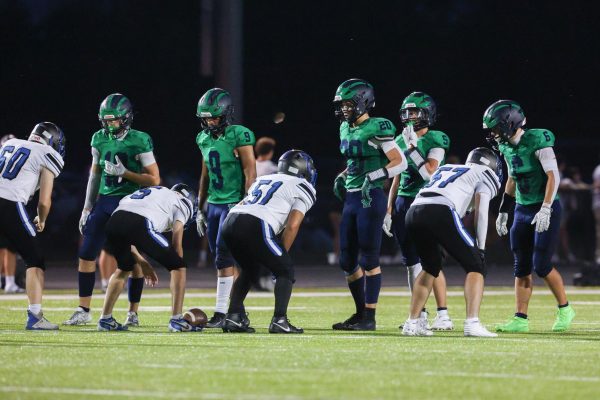
There are two major categories that injuries in young athletes fall into: overuse and acute. Overuse injuries are injuries that moderately increase overtime. These injuries occur when an activity is repeated regularly and the body does not have time to heal before the activity is done again. Tendons, growth plates, bones, muscles and ligaments are all commonly affected areas. However, acute injuries result from sudden trauma. Acute injuries often happen due to sudden movements, high impacts, or improper technique. These injuries can affect any body part, but most often affect extremities such as the head, neck, shoulders, and back. They also affect structures such as muscles, nerves, ligaments, tendons, and several other tissues. Hudson Jappell, a junior and football and baseball player for Woodgrove, broke his tibia in his right ankle last year during a football game against John Champe High School. “I was going to tackle someone and my leg got caught up behind me and overtwisted and snapped,” Jappell shared.
While ankle sprains are the single most common injury in high school sports, according to Riverside Health, anterior cruciate ligament (ACL) tears have recently been on the rise in young athletes. ACL tears can be caused by any cutting, pivoting, or twisting. They are most common in soccer, basketball and football. They are especially common among female athletes as they can be two to eight times more likely to tear their ACL than males who play a similar sport. Dr. Scott Rosendall, a physical therapist at National Sports Medicine Institute (NSMI), explains that this could be due to biomechanics, hormonal influences, and neuromuscular differences.
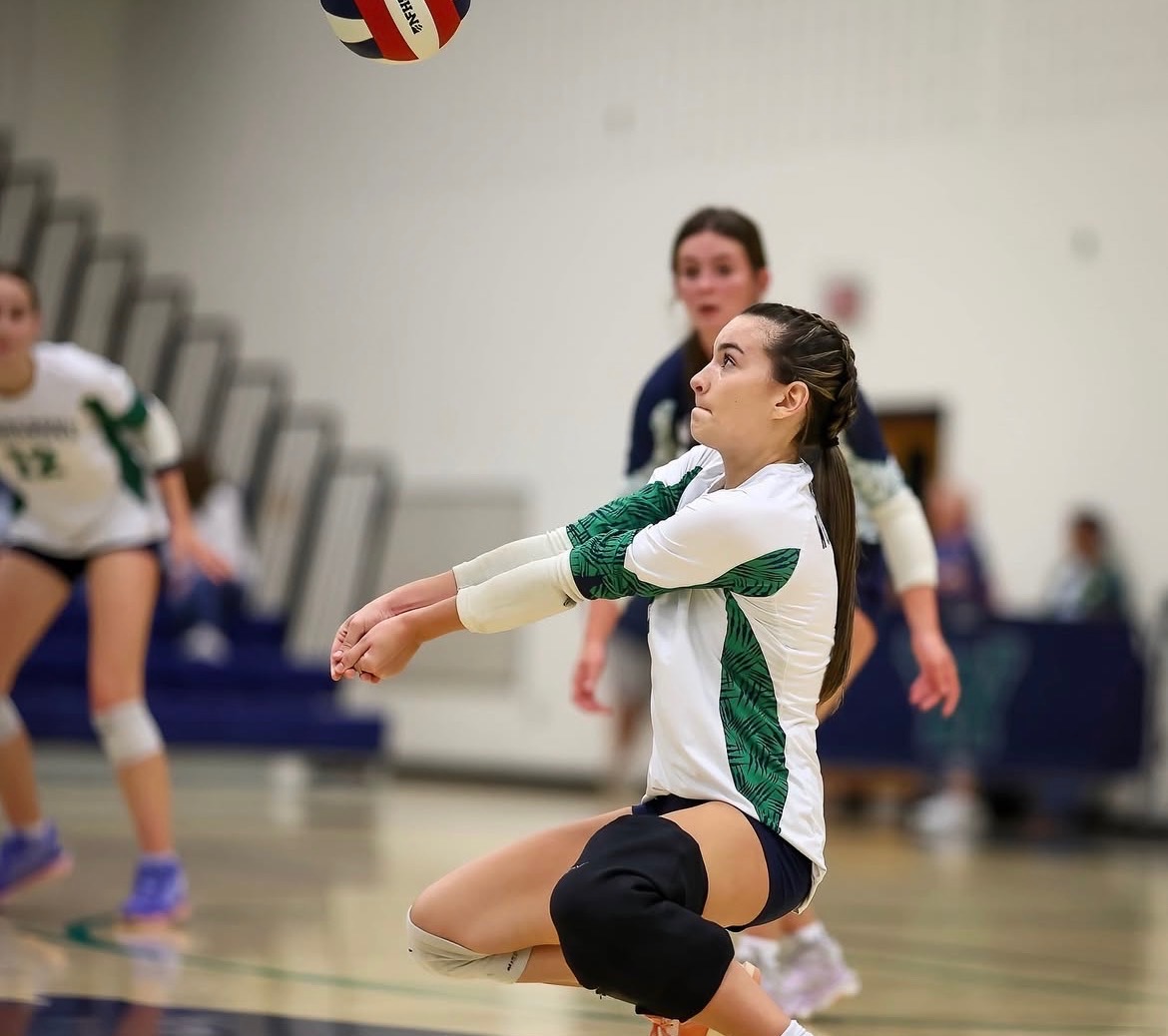
A torn ACL can take six to twelve months to fully heal after surgery. For a non-surgical recovery, some people may regain function although the ligament itself is not fully healed. However, the exact timeline varies on the individual, the severity of the injury, the type of surgery, and the rehabilitation process. Ellie McCarthy, a junior who plays volleyball, tore her ACL while coaching a volleyball camp. “My recovery process was honestly really fast. It took about six months for me to get back to playing, and a year for me to get super competitive again,” McCarthy shared.
On top of the physically demanding recovery an ACL injury requires, athletes also have to cope with their mental health. For many high school athletes, their sport is one of the biggest aspects of their life. An ACL injury can take away an athlete’s normalcy in the blink of an eye. “Mentally it was super challenging because I thought that my volleyball career was over, but I got through it,” McCarthy expressed about her recovery.
Even once a full recovery is made, their mindset can continue to be affected. Many athletes subconsciously move differently after an ACL reconstruction. “A big part of physical therapy is not just restoring strength and mobility, but also retraining movement patterns and rebuilding confidence so the athlete can return to play both physically and mentally ready,” Rosendall expressed. Returning to play can be a mental challenge for an athlete. After a severe sports injury it’s common for athletes to lose confidence in their play. “I’m kind of over it [my injury]. It’s still in the back of my mind, but I just have to play through it,” Jappell added.
Reinjury is not uncommon. According to Children’s Hospital of The King’s Daughters, up to 30% of athletes under the age of 18 who return to high-level sport after ACL reconstruction may experience another ACL injury. “The risk is highest in the first two years after injury, often because athletes return to play before their strength, balance, and movement patterns are fully restored,” Rosendall stated. In order to avoid the risk of reinjury, doctors rely on objective return-to-sport (RTS) testing. RTS testing uses a combination of strength, functional, and biomechanical assessment to determine whether an athlete is ready to return to their sport after an injury.
In order to decrease the chance of injury, specifically non-contact injury, it is important to focus on stretches and warmups that work on balance, power and agility before any physical activity. “I emphasize glute and hamstring strengthening, core stability, and technique drills that teach athletes how to land softly, control knee valgus (inward collapse), and decelerate safely,” Rosendall added. It is also crucial to condition the muscles before a sport. This can be done through cross training, which is participating in different activities that will help build the muscles.
In the world of athletics, lower leg injuries can sideline even the strongest competitors, but it does not have to define a season or a career. With the right care, conditioning, and awareness, every setback can become a step toward stronger, smarter training, and a healthier return to play. Rosendall stated, “The good news is that awareness is growing, and more coaches and teams are implementing preventive strength and neuromuscular training, which is helping to turn that trend around.”