



When students walk into Virginia schools each morning, many are now leaving more than just a distraction behind. They’re also adjusting to a new way of learning, socializing, and focusing.
Virginia’s updated school phone policy, which restricts student phone use during the school day, is now altering classroom structures and hallways throughout the state. The policy, aimed at reducing distractions and improving academic performance, requires schools to set direct rules around when and how phones can be used. In most cases, phones must stay in lockers, backpacks or designated spaces during the entire school day. While administrators argue the change creates a healthier learning environment, students and teachers are steering how the policy affects daily school life.
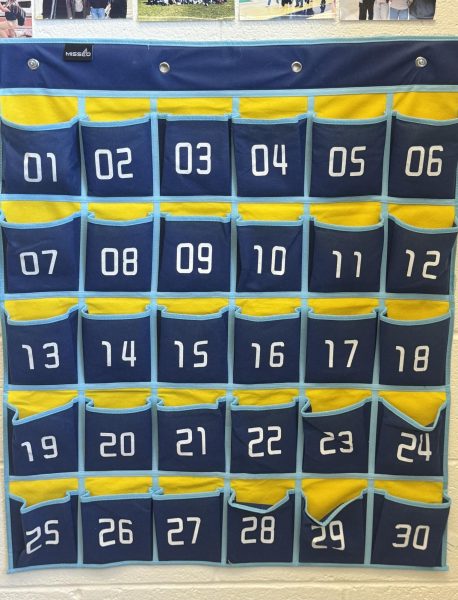
Supporters of the phone policy say the most noticeable change is improved focus in the classroom. Teachers report fewer interruptions from buzzing phones and decreased temptation for students to scroll through social media and games during lectures. Without screens constantly gaining attention, classrooms feel calmer and more structured. According to educators, students are more likely to participate in the discussions, handwrite notes, and stay engaged for longer periods of time. Erin Barrett, a current Woodgrove physics teacher stated, “Because of the ban, it’s easier to connect my students to communicate with each other, especially in my homeroom,” suggesting that the policy has encouraged more face-to-face interaction. Some teachers also say the policy has helped reduce academic dishonesty as students are no longer able to quickly use AI tools or share information during tests, with Barrett noting, “It has created a more equal testing environment where students rely on their own knowledge rather than their phones.”
Still, not all students feel the shift has been entirely positive; some say phones were useful tools for checking assignments, communicating with teachers and family, or even access to online resources that aren’t accessible on school issued devices. Students have mixed reactions to the phone restriction. While some admit they are less distracted and more productive, others feel the policy is overly restrictive, especially without access during non-instructional time. For many students, phones are more than entertainment, they are the primary way to stay connected to family, manage schedules and feel secure during the school day. Giuliana McKeon, a freshman at Woodgrove High school, expressed concerns about safety, stating “I’m worried that if something were to happen at school I wouldn’t be able to contact my family in case of an emergency.” While some students have said with the policy, they have been able to adapt quickly and change their usual habits, while other students say adjusting hasn’t been as easy; as senior Josie Yurish said, “Getting used to not being on my phone all day has been a bigger adjustment than I expected.”
One of the biggest changes brought by the phone policy has been how students engage with one another. Without having phones during lunch time or advisory, students have been able to make greater peer connections with each other, rather than just absorbing themselves into their screens. However, some students feel the lack of access during these times is unnecessary. McKeon said that not being allowed to use her phone during lunch feels overly restrictive, explaining “Lunch is one of the only breaks I have during the day, and not being able to check my phone just feels too strict.” As Virginia schools continue to implement this policy, feedback from staff and students in each county are crucial to its future. As the policy has already changed daily routines; conversations about balance, safety, and exposure will still continue throughout the year.